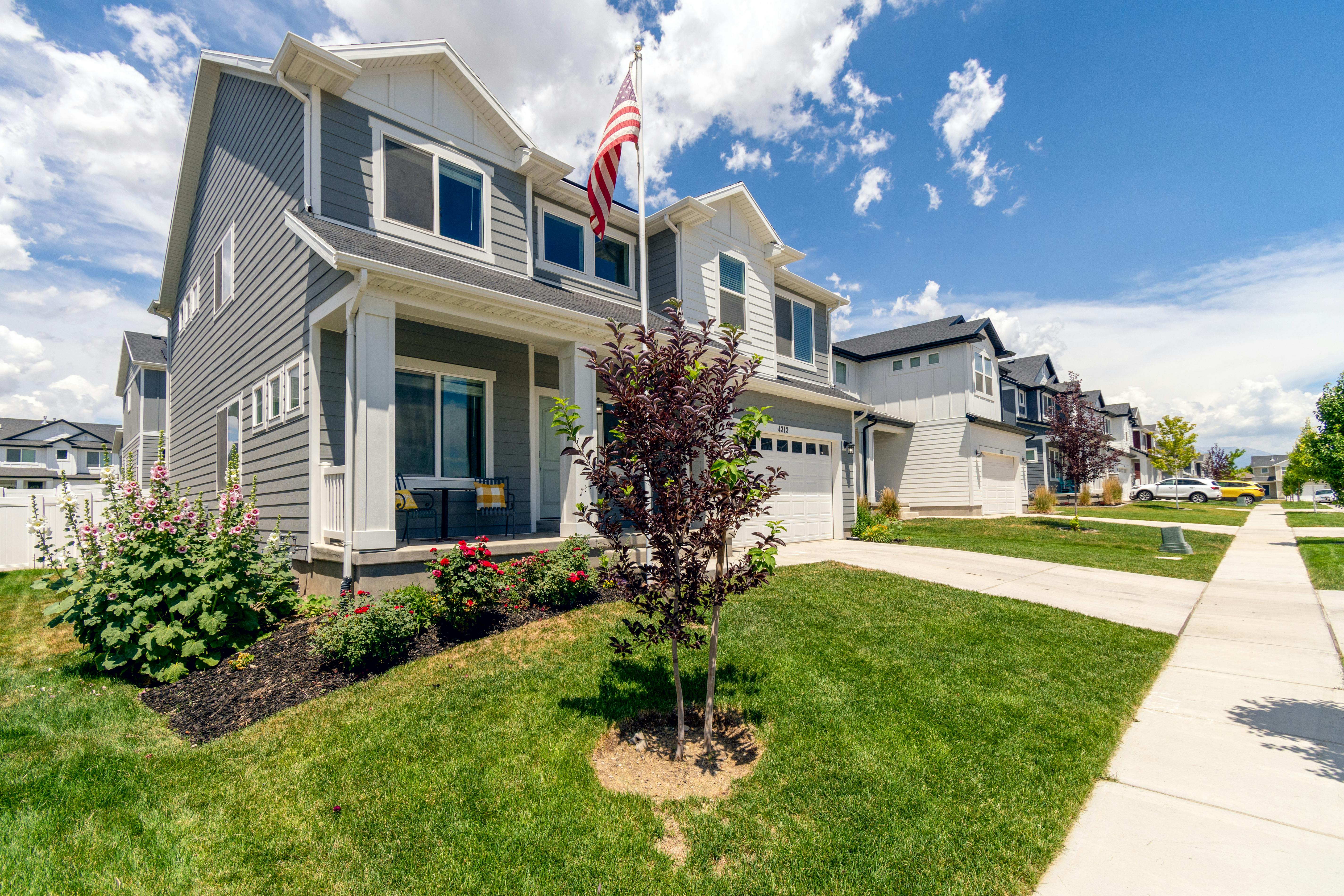
How to Stop Renting and Start Owning This Year
Every month you stay in a rental, you're paying your landlord's mortgage — not building anything of your own. The good news? For most Michigan renters, the gap between where you are now and owning a home is smaller than you've been led to believe. Here's how to close it.
This isn't a "someday" article. This is a 12-month roadmap. Here's what it actually takes — step by step — to go from renter to owner before the year is out.
STEP 1: Do the Real Math on Renting
Before anything else, get honest about what renting is costing you. Not just monthly — cumulatively. If you're paying $1,300/month in rent, that's $15,600 a year. Over five years, $78,000 — every dollar of which went to your landlord and built zero equity for you.
Now compare that to ownership. In many Southeast Michigan markets, a mortgage payment on a $200,000–$230,000 home lands within $100–$200 of that same rent payment. The difference is that every mortgage payment chips away at a balance you own.
The Numbers:
- 5 years of rent at $1,300/mo = $78,000
- Equity built from renting = $0
- Estimated equity after 5 years owning a $215,000 home = $35,000+
- Wealth gap after 5 years = $35,000+
STEP 2: Find Out What Down Payment Help Is Available to You
This is the step most people skip — and it's the one that changes everything. Michigan has more than 40 active down payment assistance programs. Some are grants (free money you don't repay). Some are forgivable loans. Some are matched savings programs. Most buyers qualify for at least two.
MSHDA's MI Home Loan program, for example, offers up to $10,000 in down payment assistance to eligible buyers statewide. Local housing authorities in Detroit, Wayne County, Oakland County, and beyond layer on additional funds. Combined, many buyers close with zero out of pocket.
ZeroDownScout searches 2,500+ down payment assistance programs by zip code — free. Most users find 3–5 programs they qualify for in minutes. Download it before you do anything else.
STEP 3: Know Where Your Credit Stands — Then Fix What You Can
Pull your free credit report at AnnualCreditReport.com. You're looking for your score and, more importantly, what's dragging it down. Errors on credit reports are more common than most people realize — disputing them is free and can move your score quickly.
If your score is below 620, don't panic. Focus on paying down revolving balances (credit cards), avoiding new credit inquiries, and clearing any collections you can. Many buyers improve their score by 40–80 points in 90 days with disciplined effort. A HUD-approved housing counselor can build you a free, personalized credit action plan.
Your credit score isn't a verdict. It's a starting point.
STEP 4: Get Pre-Approved — and Do It Right
Pre-approval is not the same as pre-qualification. Pre-qualification is an estimate based on what you tell a lender. Pre-approval is a verified commitment based on your actual documents — income, tax returns, bank statements, credit. Sellers take pre-approval seriously. Pre-qualification, less so.
When you go for pre-approval, make sure your lender is familiar with DPA programs. Not all lenders work with MSHDA or local assistance programs, and using the wrong lender can disqualify you from free money you're entitled to. Ask directly: "Are you an approved MSHDA lender?"
STEP 5: Partner With the Right Agent
A buyer's agent who knows the DPA landscape is worth their weight in grant money. They'll help you identify homes that qualify for assistance programs (some programs restrict property type or purchase price), navigate the offer process, and avoid costly mistakes that derail closings.
As the buyer, you almost always pay nothing for this representation — the seller covers the commission. There's no reason not to have expert guidance in your corner.
STEP 6: Complete a Homebuyer Education Course
Most DPA programs — including MSHDA — require a HUD-approved homebuyer education course. This isn't a box-checking exercise. It covers budgeting, the closing process, what to expect after you move in, and how to protect your investment long-term. Most courses take 6–8 hours and can be completed online for $25–$75.
Think of it as the tuition for a degree that pays for itself many times over. Buyers who complete education courses are statistically less likely to default and more likely to build long-term wealth through homeownership.
STEP 7: Make Your Offer — and Close
Once you're pre-approved, DPA-eligible, and working with a knowledgeable agent, you're in a position most renters never realize they can reach. You make an offer. You negotiate. You close.
The closing process typically takes 30–45 days from accepted offer to keys in hand. Your DPA funds are applied at closing — you won't need to come up with cash and then get reimbursed. It all happens at the table, in one transaction.
YOUR 12-MONTH TIMELINE:
Month 1–2: Foundation
Pull credit report, download ZeroDownScout, identify DPA programs, start fixing credit issues, and consult a HUD counselor.
Month 3–4: Preparation
Complete homebuyer education course, gather financial documents, identify MSHDA-approved lenders.
Month 5–6: Pre-Approval
Get pre-approved with a DPA-savvy lender, confirm eligibility for specific programs, connect with a buyer's agent.
Month 7–10: Search & Offer
Shop qualifying homes, make offers, negotiate, go under contract.
Month 11–12: Close & Move In
Complete inspections, appraisal, and underwriting. Close with DPA funds applied. Get your keys.
Twelve months is enough time for most renters in Michigan to go from "I could never afford this" to owning a home — often with little to no money out of pocket. The plan is real. The programs are real. The only thing left is the decision to start.
Your First Step Takes 5 Minutes
Search for down payment assistance programs by your zip code — free, right now. Most users find multiple programs they already qualify for.